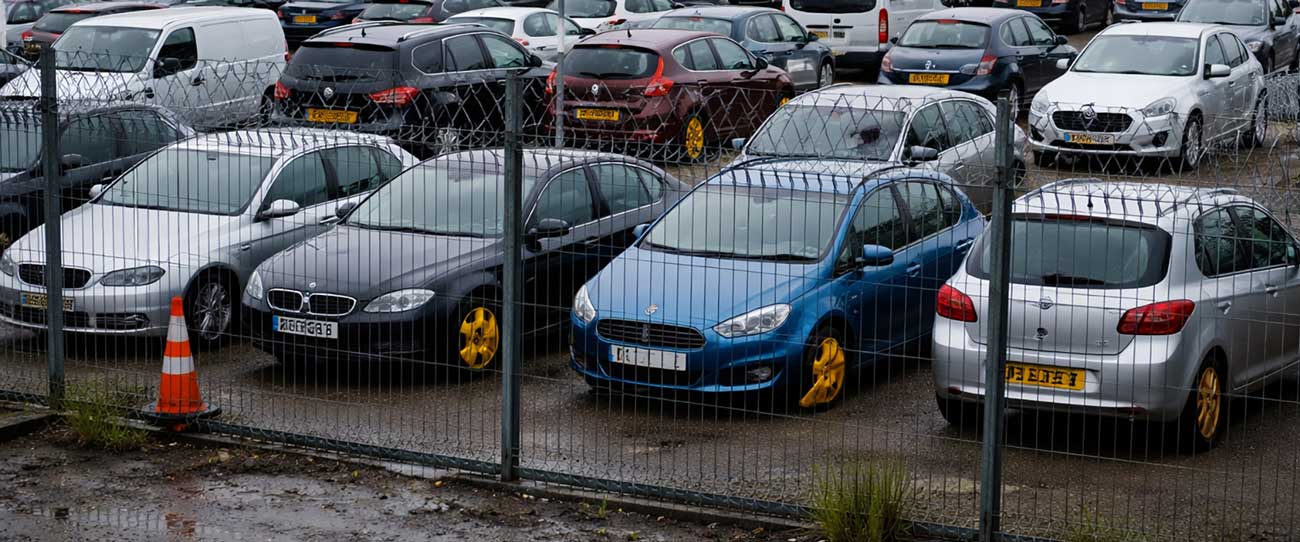
Why vehicles are sometimes seized
After a drink driving arrest, police may arrange for the vehicle to be removed to a secure pound rather than leaving it at the roadside. This often happens when no insured and sober driver is available to take the vehicle away, or when the vehicle cannot safely remain where it was stopped.
While the driver is taken into custody for testing and processing, the vehicle is normally recovered separately. Storage charges usually begin once the car arrives at the pound.
What happens following the arrest
After processing, police may release the driver under investigation or charge them, depending on breath, blood, or urine test results. At the same time, arrangements for recovering the vehicle must usually be made separately through the pound holding it.
Many drivers assume they are automatically banned from driving immediately after being charged. In most cases this is not so. Driving is usually still permitted until the court case concludes and a conviction leads to disqualification. However, there are exceptions. Bail conditions may restrict driving, or a court may impose an interim disqualification in certain situations. Existing bans or DVLA medical or licensing action can also prevent driving before the court hearing takes place.
Requirements pounds usually ask for
- Photo identification for the person collecting the vehicle.
- Proof that the person collecting is entitled to take the vehicle away.
- Insurance suitable for driving the vehicle from the pound.
- Payment of removal and storage charges.
If the arrested driver cannot attend personally, pounds may allow collection by another authorised person, although rules vary and identity checks are normally strict.
Insurance and collection considerations
Where the original driver cannot or should not drive, another insured driver may collect the vehicle instead. Insurance arranged must normally meet pound requirements, as some short-term policies may not be accepted for impounded releases.
If no suitable insured driver is available, collection using a specialist vehicle recovery company may be possible, although recovery arrangements can be costly and delays may occur while deadlines at the pound continue to run.
Storage charges and deadlines
Removal and daily storage charges usually apply while the vehicle remains in the pound. Authorities also operate collection deadlines. Vehicles not claimed within the permitted timeframe may be disposed of through sale or scrapping, although timelines differ between locations.
Prompt arrangements usually help prevent costs increasing unnecessarily while legal matters connected with the incident are being dealt with.
After the vehicle is recovered
Once released, drivers normally need to make sure insurance, tax, and MOT arrangements remain valid before the vehicle returns to normal use. Drink driving proceedings may still lead to fines, licence disqualification, or other penalties once the court case is concluded.
This page provides general information about vehicles seized following drink driving incidents. Individual situations differ, so drivers normally need to confirm release requirements directly with the authority holding the vehicle and speak with properly authorised professionals when arranging insurance or dealing with legal matters.