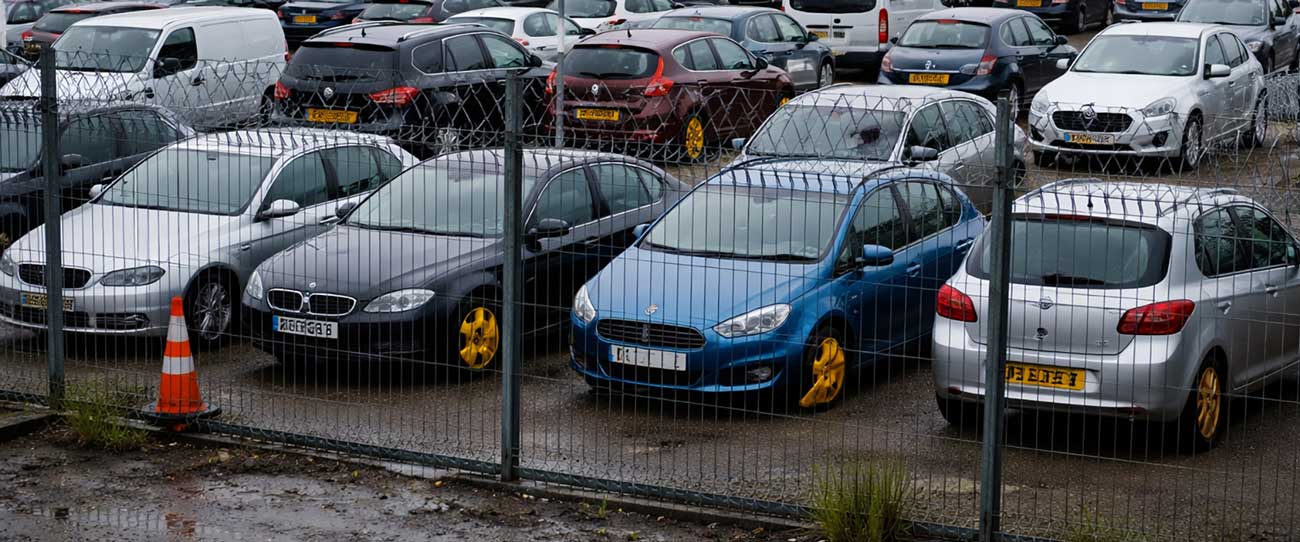
Why ANPR leads to seizure
Automatic Number Plate Recognition, often called ANPR, allows police vehicles and fixed roadside cameras to check registration numbers against insurance, tax, and other databases in real time. If the system flags a vehicle as uninsured, untaxed, or otherwise of interest, officers may stop it to investigate further.
Where no valid insurance is in place, or other serious offences are identified, the vehicle may be seized at the roadside. Recovery is usually arranged immediately, and the vehicle is taken to a contracted pound.
What happens at the roadside
When stopped, the driver will normally be asked to produce insurance details. If checks confirm that no valid cover exists, police have powers to remove the vehicle. Even if insurance is arranged shortly afterwards, the vehicle is often still taken once the decision to seize has been made.
The driver is usually given paperwork explaining where the vehicle has been taken and how it may be recovered. From that point, daily storage charges commonly begin to apply.
Common reasons ANPR seizures occur
- No valid motor insurance recorded on the Motor Insurance Database.
- Vehicle marked as untaxed and being used on a public road.
- Driver disqualified or licence issues identified during checks.
- Vehicle linked to other enforcement concerns.
Sometimes drivers believe they are insured, only to discover that a policy has lapsed or was cancelled. ANPR checks are automatic and immediate, so discrepancies are often detected quickly.
What is normally required for release
To recover the vehicle, the registered keeper or authorised person usually needs to attend the pound in person. Identification is required, along with proof of entitlement to collect the vehicle.
Suitable insurance is normally required before the vehicle can be driven away. Some policies may not be accepted for impounded release, so drivers often need to ensure the cover arranged meets pound requirements.
Fees and time limits
Removal charges and daily storage fees are normally payable before release. Storage accumulates each day the vehicle remains uncollected. Pounds also operate deadlines for collection. Vehicles not claimed within the permitted period may be disposed of through sale or scrapping, depending on local arrangements.
Prompt action can help limit the total cost and avoid complications if the vehicle remains at the pound for an extended period.
After getting the vehicle back
Once released, keeping insurance, tax, and MOT records up to date helps prevent repeat stops. ANPR systems operate widely across the road network, including from marked and unmarked police vehicles, so discrepancies are often identified quickly.
Each case can differ slightly depending on the reason for seizure and local procedures. Checking the paperwork provided at the roadside and confirming requirements directly with the pound usually helps the recovery process move more smoothly.